
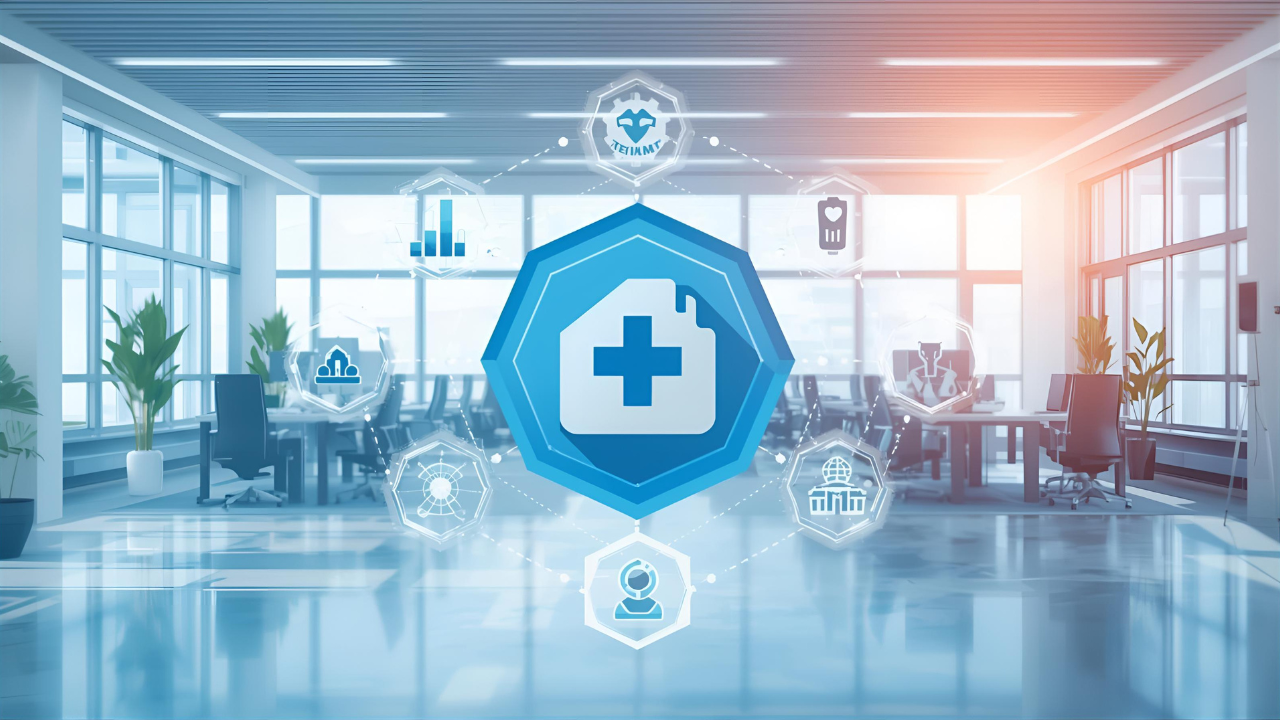
The healthcare sector is undergoing a digital revolution where modern hospitals are becoming more dependent on technology as part of their effort to enhance efficiency, save on costs, and improve patient outcomes. Healthcare IT solutions are at the center of this transformation and offer the digital backbone that is required to support smooth operations. Electronic health records, telemedicine, data analytics, and more are IT-based systems that would enable hospitals to provide better care and, at the same time, comply with and keep their data safe.
This paper will address the reasons why hospitals cannot do without healthcare IT, the advantages of IT, and optimal strategies for implementing this technology.
The Rising Importance of Healthcare IT in Hospitals
The modern hospital setting has become extremely challenging due to the rising patient needs, staff shortage, rising costs, and tight regulations. These complexities can no longer be managed by traditional, manual processes. Healthcare IT solutions have a critical role to play here as they can automate workflows and enhance accuracy, as well as provide real-time access to information.
IT in healthcare, besides ensuring administrative efficiency, changes the clinical decision-making process, and as such, it can be regarded as the backbone of hospitals that attempt to be the best in their field.
Key Benefits of Healthcare IT Solutions
Here are some of the top key benefits of healthcare IT Solutions in modern hospitals. Have a look at each one.
Streamlined Patient Data Management
Among the biggest advantages linked to the IT integration in hospitals, it is possible to outline the effective management of patient records. Electronic Health Records (EHRs) can be considered a life-saving tool, which enables doctors, nurses, and administrators to exchange updated information on the patient in real time. This reduces duplication, errors, and continuity of care in a cross-departmental manner.
Enhanced Communication and Collaboration
Health IT service providers assist hospitals in establishing a safe means of communication among medical personnel, patients, and even between hospitals and third-party specialists. The exchange of real-time data and teleconsultations enhances the decision-making process and lessens the delays, particularly in emergencies.
Improved Patient Safety
IT systems eliminate human error by automating drug administration, lab results notifications, and allergy notifications, among other procedures. Reminders and warnings are also features of decision-support systems that protect the health of patients.
Cost Efficiency and Resource Management
The modern hospitals are experiencing rising operational costs. IT-based scheduling, inventory, and automated billing minimize waste, man-hours, and enhance resource usage. This guarantees efficiency in the operation of hospitals and lessens the financial burden.
Core Areas Where Healthcare IT is Transforming Hospitals
There are multiple things that Healthcare IT is changing in hospitals, such as enhancing patient care, streamlining operations, and improving communication between patients and management. With the adoption of technologies like AI, IoT can provide better, smarter, and patient-centered healthcare delivery.
Electronic Health Records (EHRs)
One of the greatest contributions of healthcare IT solutions is the EHR systems. They deliver precise, current, and safe patient data that will allow physicians to make appropriate decisions. There is an improved workflow, reduced paperwork, and enhanced departmental coordination in hospitals.
Telemedicine and Remote Care
The emergence of telehealth has transformed the way of care delivery by hospitals. Through the use of IT platforms, doctors are able to provide virtual consultations to patients, monitor chronic conditions remotely, and provide follow-up care, all without the need to visit physical locations. This increases rampant access to health care, particularly in rural or underserved regions.
Data Analytics for Better Outcomes
Every day, hospitals produce a huge quantity of data. The IT service providers of healthcare are at an advanced level and provide analytics to convert raw data into actionable information. Predictive analytics are beneficial to identify patients at risk, improve diagnosis, and enhance the efficacy of treatment.
Cybersecurity and Data Protection
Hospitals are concerned about cybersecurity because of the sensitive information of their patients at stake. IT solutions have complex encryption, multi-factor authentication, and surveillance systems that safeguard information and prevent violations of HIPAA and other rules.
How Healthcare IT Improves Patient Experience
Healthcare IT enhances patient experience through convenient, efficient, and patient-centered care delivery by facilitating, enabling, and supporting appointment booking, telehealth access, personalized treatment plans, expedited communication with providers, real-time health monitoring, and security of the digital records.
Personalized Care
Through IT-based patient records, hospitals are able to customize treatment, prescribe preventive services, and make sure that patients get personalized guidance relying on their treatment history.
Faster Access to Services
The patients can enjoy speed and convenience in accessing the services of healthcare through online booking of appointments, telehealth services, and digital portals. This enhances satisfaction and the time of waiting.
Continuous Engagement
Patient-provider communication is guaranteed because mobile apps and patient portals are supported by healthcare IT solutions. Medication reminders, lab result notifications, and follow-up care instructions are all features that allow patients to remain proactive in their health journey.
The Role of Healthcare IT in Hospital Administration
There are multiple advantages of opting for IT Solutions in the healthcare business. In this section, we have mentioned the role of healthcare IT in hospital administration.
Efficient Workflow Automation
IT systems can be used to automate the time-consuming functions in staff scheduling through billing, and help allow medical professionals to attend to patients.
Financial Transparency
Automated billing gives plain invoices and minimizes conflicts and mistakes. They also enable patients to monitor expenses more conveniently.
Regulatory Compliance
There are stringent healthcare rules that must be followed in hospitals. Healthcare IT service providers combine compliance tools that can be used to track policies, audit trails, as well as compliance with legal standards.
Best Practices for Successful Healthcare IT Adoption
Healthcare is always the most important part of society, but to make the industry stand out in the market, it is necessary to follow the best practices for successful healthcare IT adoption. We have mentioned some of these below.
Partner with Experienced IT Providers
Collaborating with reliable healthcare IT solutions vendors will guarantee the use of reliable, scalable, and secure systems. They can enhance the system by providing the latest technology expertise to your business and project.
Train Staff Effectively
Training programs should be conducted for all staff to familiarize them with the new systems. Continuous support helps overcome resistance and boosts adoption. This can improve the manual work and make everything efficient.
Focus on Interoperability
The IT systems that the hospitals focus on should be ones that are compatible with the current infrastructure to guarantee consistent cross-platform communication.
Prioritize Security and Compliance
Every solution adopted must comply with HIPAA and other relevant regulations to protect patient data and avoid penalties.
Adopt a Patient-Centric Approach
Any IT initiative should aim to enhance patient experience, whether by simplifying access, improving care quality, or offering transparency.
The Future of Healthcare IT in Hospitals
In the future, technologies like artificial intelligence, Internet of Things (IoT), blockchain, and robotics will keep modifying hospitals due to IT. Predictive analytics will also contribute to proactive care, and AI-driven systems will enhance diagnostics and planning of treatment. As hospitals transform into tech-savvy and digital-first organizations, healthcare software development service providers will continue to have an even more important part in the future of patient care. Along with these, there are multiple research and experiments going on continuously to adapt different tools and technologies that can make a huge change in healthcare.
Conclusion
Healthcare IT solutions cannot be ignored in modern hospitals anymore, as they cannot operate effectively. IT underlies patient safety and regulatory compliance, streamlining of patient records, telemedicine, and other functions of health care. Despite the difficulties related to implementation, the adoption of the correct strategies and collaboration with proficient healthcare IT service providers will guarantee long-term success.
Finally, IT helps hospitals to provide care that is safer, quicker, and more personalized, which is why it is an important building block of contemporary healthcare infrastructure.







Write a comment ...